November 2, 2026
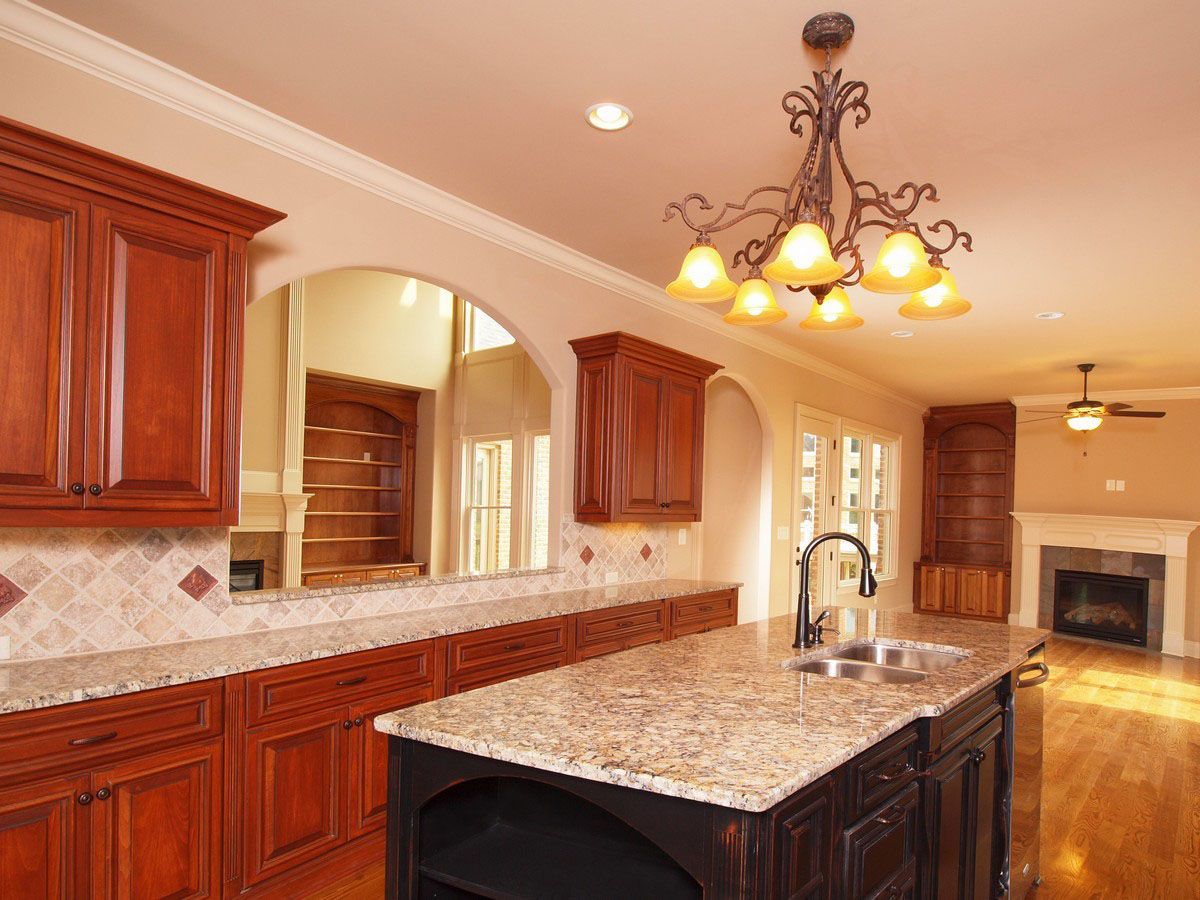
Granite countertops offer a combination of durability, natural beauty, and long-term value that makes them a popular choice for kitchen renovations. Their distinctive patterns and range of colors allow homeowners to create spaces that complement different interior styles. With professional installation and appropriate maintenance, granite provides a lasting surface that balances everyday functionality with visual appeal.
According to Proline, countertops are the most popular part of a kitchen to renovate, with 91% of homeowners remodeling their kitchens choosing to upgrade this feature. Choosing granite countertops can help homeowners make the most of this investment by adding a durable, attractive surface that supports cooking, entertaining, and everyday activities.
Durability and Everyday Performance
One of the main advantages of granite countertops is their ability to withstand regular kitchen use. Granite is a naturally hard stone that resists many scratches and impacts better than softer countertop materials. Although it is durable, cutting directly on the surface and dropping heavy objects can still cause damage, so appropriate care remains important.
Granite also tolerates heat better than many synthetic surfaces, making it suitable for kitchens where cooking is frequent. However, sudden temperature changes can cause damage, and using trivets for hot cookware is still advisable. When professionally installed and properly maintained, granite countertops can remain functional and attractive for decades.
Another benefit is their resistance to everyday wear. With appropriate sealing, granite countertops can better resist stains from common kitchen spills. Periodic maintenance helps preserve the surface and reduces the likelihood of premature repairs or replacement.
Natural Beauty and Design Flexibility
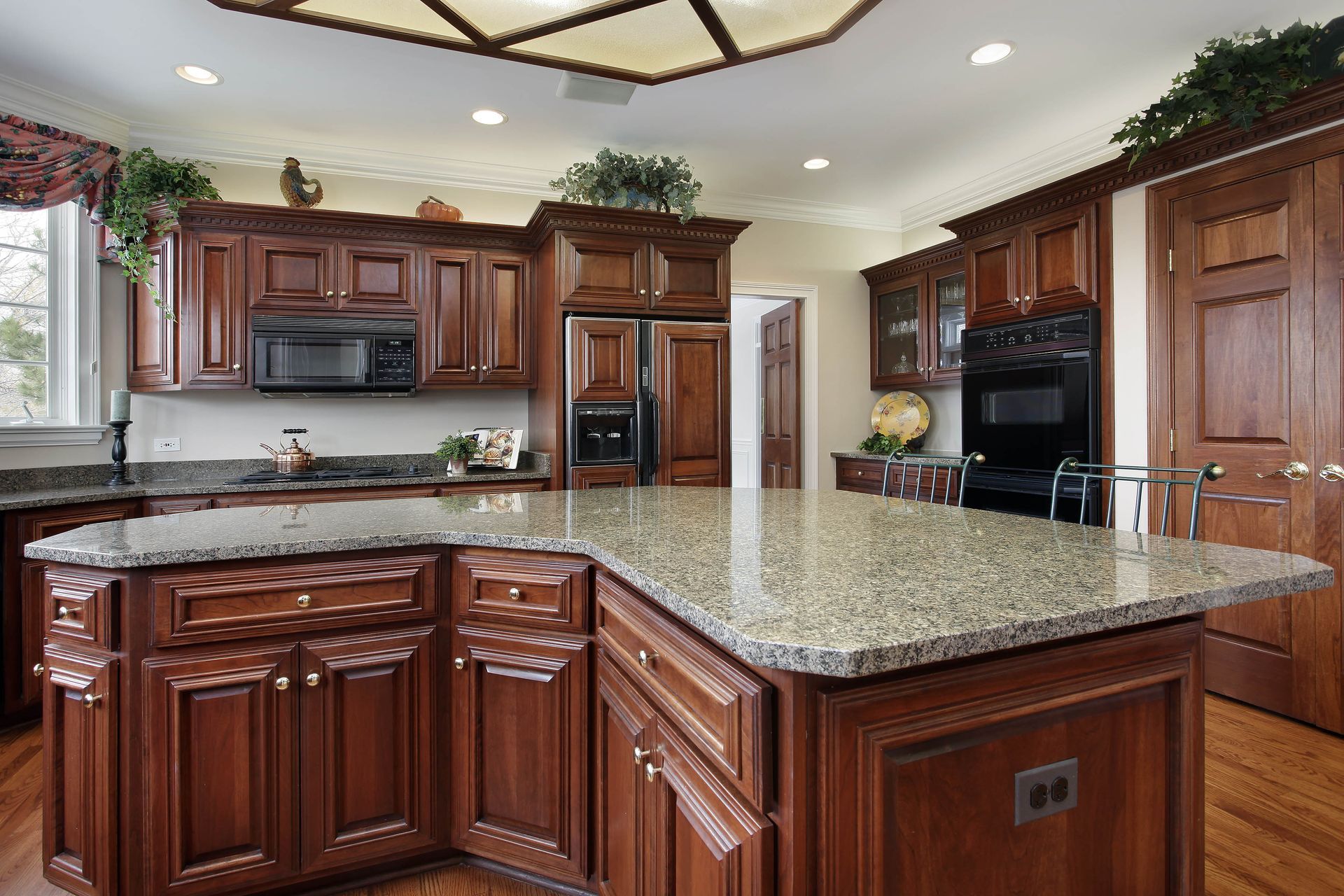
Granite is available in a wide range of colors, patterns, and mineral formations. Because each slab develops naturally, its veining and color variations are distinctive, giving homeowners the opportunity to choose a surface that suits their preferences. These differences can make granite countertops a focal point without requiring an elaborate kitchen design.
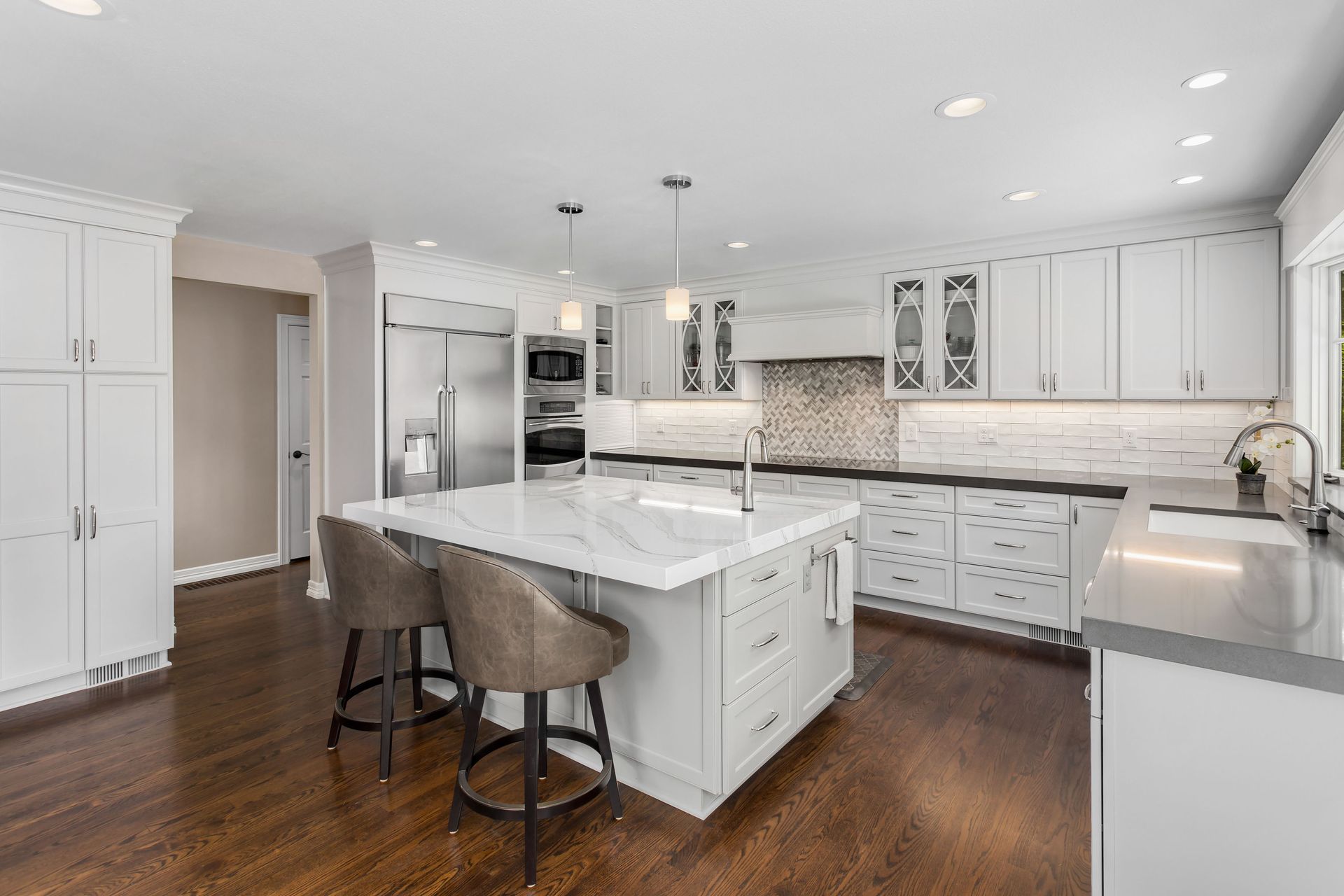
From light-colored stone that brightens a room to darker granite that creates contrast with cabinets, the material works with many interior styles. It can complement traditional kitchens, contemporary spaces, and transitional designs. Selecting a slab that coordinates with cabinetry, flooring, and appliances helps create a balanced appearance.
Finishes and edge profiles also influence the overall look. Polished granite provides a reflective surface, while honed finishes offer a more understated appearance. Professional fabricators can help homeowners choose suitable edges and dimensions for granite countertops on kitchen islands, work surfaces, and other areas.
Kitchen Renovations and Home Value
Kitchen improvements can influence how prospective buyers perceive a property, and updated countertops often contribute to a more appealing interior. Granite offers a recognizable natural finish that many buyers associate with durability and quality. Its appearance and practical benefits can help a renovated kitchen feel more complete.
The popularity of countertop upgrades reinforces their importance in renovation planning. Proline reports that 91% of homeowners remodeling their kitchens choose to upgrade their countertops, making this feature a significant consideration in many projects. Installing granite countertops can be an attractive option for homeowners who want to improve both the functionality and appearance of their kitchens.
However, the financial return depends on factors such as local housing demand, the quality of the installation, and the overall condition of the property. Homeowners should consider their budget, intended use, and long-term plans when choosing a material. A well-planned countertop upgrade can contribute to a cohesive renovation without relying on a single feature to determine resale value.
Environmental Considerations
Granite is a natural material extracted from the earth, making it an alternative to some manufactured countertop products. Its long lifespan can reduce the need for frequent replacements, helping limit material waste over time. Homeowners interested in sustainable renovations can also ask suppliers about responsible sourcing and quarrying practices.
The potential for reuse is another advantage. When a kitchen is remodeled again, existing granite countertops may sometimes be repurposed for other applications, depending on their condition and dimensions. Choosing durable materials and considering their full life cycle can support more thoughtful renovation decisions.
Installation Costs and Long-Term Value
The initial cost of granite countertops varies according to the stone's quality, rarity, thickness, finish, and installation requirements. Although granite may cost more upfront than some laminate options, its durability can make it a worthwhile long-term investment. Comparing material and installation estimates helps homeowners understand the overall expense before committing to a renovation.
Maintenance costs are another consideration. Granite generally requires routine cleaning and may need periodic professional assessment or resealing, depending on the stone and the products used. These requirements are manageable for many households, but they should be included when comparing materials over the expected life of the kitchen.
Granite countertops can also help create a consistent, finished appearance throughout a renovated space. Their ability to coordinate with different cabinetry and fixtures gives homeowners flexibility when updating other kitchen features in the future. The overall value depends on the quality of the material, professional workmanship, and how well the finished kitchen meets household needs.
Hygiene and Kitchen Functionality
Kitchen surfaces must accommodate food preparation, frequent cleaning, and everyday spills. Properly sealed granite helps reduce liquid absorption, making it easier to maintain a clean surface. Routine sanitation remains essential because seams, edges, and improperly maintained areas can still collect residue.
Granite countertops are also suitable for busy kitchens because they provide a solid, durable surface for everyday activities. Families can use them for meal preparation, serving food, and gathering with guests without worrying about the wear associated with some softer materials. Their combination of practicality and natural appearance makes them an appealing option for households with varied needs.
Professional installation plays an important role in ensuring that granite countertops fit securely and have properly finished seams and edges. Correctly supported surfaces are less likely to experience problems caused by uneven weight distribution. Experienced installers can also account for sinks, appliances, and other features that affect the finished product's performance.
Customization for Different Kitchens
Every kitchen has different dimensions, storage arrangements, and design requirements. Granite can be fabricated to accommodate many layouts, including kitchen islands, extended work surfaces, and countertops that follow unusual wall configurations. Professional measurements and fabrication help ensure that granite countertops fit the space accurately.
Homeowners can choose from different slab colors, finishes, and edge profiles to achieve their preferred appearance. Straight edges may complement contemporary interiors, while rounded or decorative profiles can suit more traditional spaces. Coordinating these details with cabinetry and fixtures helps create a unified design.
Granite can also be incorporated into a broader renovation that includes matching backsplashes or complementary surfaces. Using consistent materials can create visual continuity, while combining granite countertops with wood cabinetry or stainless steel appliances introduces contrasting textures. Careful selection allows the countertop to enhance the room without overwhelming its other design features.
Selecting the right contractor is an important part of a successful kitchen renovation. Experienced professionals can explain differences between granite varieties, review material options, and assess the installation requirements of the space. Their guidance helps homeowners make informed decisions about durability, appearance, maintenance, and budget.
Before selecting a contractor, homeowners should review previous projects, request detailed estimates, and confirm what the installation service includes. Questions about slab selection, seams, edge finishing, sealing, and warranties can clarify expectations before work begins. Clear communication also helps ensure that the finished granite countertops align with the intended kitchen design.
Granite offers lasting beauty and practical performance when selected carefully and installed by qualified professionals. Its natural patterns, durability, and design flexibility make it a strong option for many kitchen renovation projects. Working with an experienced company helps homeowners evaluate their choices and achieve a result suited to their space.
For homeowners planning a kitchen upgrade, TC Countertops LLC can help turn renovation ideas into a finished space with countertops selected for both style and function. Contact TC Countertops LLC to discuss your project, explore granite countertop options, and determine the right solution for your kitchen.