November 4, 2026
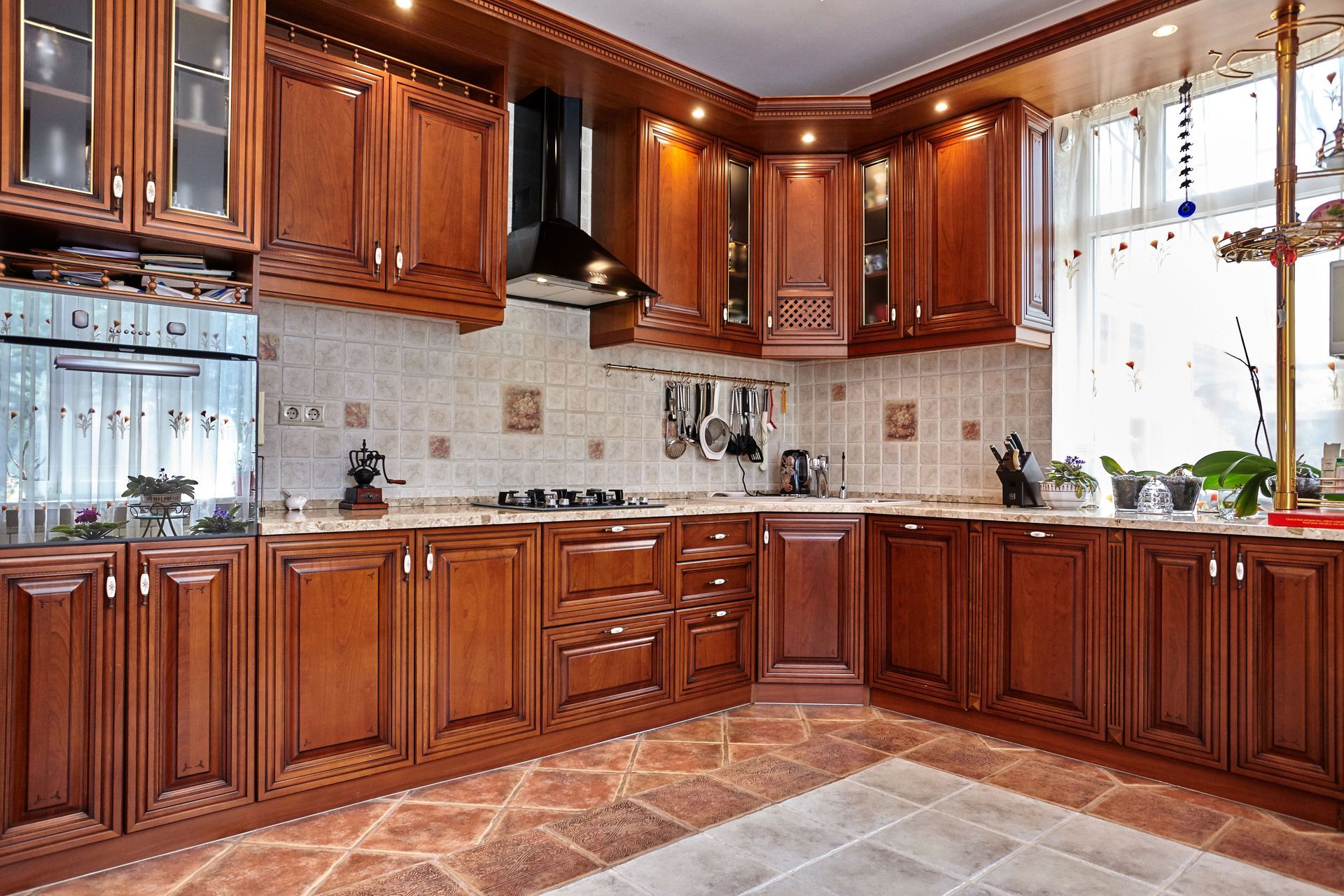
Kitchen cabinets do more than store dishes and cookware. They shape how the room looks, support daily routines, and influence how easily people move between preparation, cooking, and cleanup areas. A thoughtful design can make a compact kitchen feel more organized or give a larger space a stronger sense of character.
Current design approaches offer plenty of flexibility, from understated finishes and natural materials to colorful islands and convenient storage features. When choosing cabinets, homeowners can focus on the styles that suit their preferences while considering durability, maintenance, and the way they actually use their kitchens.
Creating a Clean, Minimalist Look
Minimalist design favors simple forms, uncluttered surfaces, and details that serve a purpose. Flat-panel doors are a common choice because their smooth fronts create a streamlined appearance without elaborate ornamentation. They work with painted finishes, wood veneers, and many other materials, so a simple door style does not have to mean a limited selection of colors or textures.
Neutral shades, including white, warm gray, and soft beige, can provide a flexible foundation. These tones coordinate with changing wall colors, flooring, and countertop materials. Homeowners who want more warmth can pair light-colored cabinets with natural wood accents or understated metal hardware.
Handle-free designs also contribute to a cleaner appearance. Integrated pulls, recessed grips, and touch-latch systems minimize visible hardware, although each has different cleaning and usability considerations. A handle that is attractive in a showroom should still be comfortable to operate during everyday cooking.
Open shelving can complement enclosed storage by displaying frequently used dishes or decorative pieces. However, exposed items may require more frequent cleaning. Combining a small area of shelving with closed storage often provides a practical balance.
Introducing Bold Colors and Finishes
Color is one of the easiest ways to give a kitchen personality. Deep blue, forest green, charcoal, and other saturated shades can anchor the room, especially when paired with lighter walls or countertops. Brighter hues also have a place, but using them selectively can help the space feel intentional rather than visually crowded.
A contrasting island is one approach that lets homeowners experiment without changing every surface. According to Houzz, 26% of renovating homeowners intentionally select a contrasting accent color like blue for their island cabinets to pop against white perimeter cabinetry. The contrast gives the island its own identity while maintaining a cohesive overall palette.
Finish matters as much as color. Matte surfaces tend to create a softer appearance, while glossy finishes reflect more light and produce a polished effect. Neither finish is universally easier to maintain: fingerprints, scratches, and cleaning requirements depend on the specific material and coating.
Two-tone designs can also work beyond the island. For example, darker lower units and lighter upper ones can add depth while keeping the area above the countertops visually open. The most successful combinations repeat selected colors elsewhere through hardware, lighting, or decorative accents.
Choosing More Sustainable Materials
Homeowners who prioritize environmental considerations can explore reclaimed wood, rapidly renewable materials, recycled components, and finishes with lower emissions. Each option has practical trade-offs, so it is worth looking beyond a product's appearance or marketing description.
Reclaimed wood can bring distinctive grain patterns and a sense of history to the kitchen. Its environmental benefits depend on sourcing, processing, and transportation, and it may require additional preparation before installation. Bamboo is another option used in engineered panels. Because bamboo grows relatively quickly, it can be an appealing alternative, although durability and moisture performance vary by product construction and finish.
Smaller details can support the same design goals. Hardware made with recycled metal offers a way to incorporate reused materials, while low-VOC paints and coatings can help limit emissions from certain finishing products. Homeowners should review product information and applicable certifications rather than assuming every product labeled environmentally friendly performs the same way.
Long-term use is another important consideration. Selecting durable cabinets that can be maintained, repaired, or refinished may reduce the need for premature replacement. Thoughtful material choices can support both the desired appearance and a practical maintenance plan.
Improving Storage and Accessibility
Good storage design starts with understanding what needs to fit inside the kitchen. Cooking habits, household size, available floor space, and accessibility preferences all influence the most useful layout. Instead of adding features solely because they are popular, homeowners can identify areas where reaching, sorting, or retrieving items is currently difficult.
Pull-out shelves make it easier to access cookware and pantry goods stored toward the back of deep compartments. Full-extension drawers can serve a similar purpose, particularly for pots and heavier kitchen equipment. Adjustable dividers and movable shelves allow storage spaces to change when household needs evolve.
Narrow pull-out racks can hold spices, trays, or cleaning supplies, making use of spaces that might otherwise remain awkward or empty. Vertical dividers keep baking sheets and cutting boards upright, while corner organizers can improve access to hard-to-reach areas. Not every specialty fitting is appropriate for every layout, so measurements and weight capacities matter.
For a more accessible kitchen, hardware should be easy to grasp, drawers should operate smoothly, and frequently used items should be placed within a comfortable reach range. Well-planned cabinets can help reduce countertop clutter without making everyday necessities harder to find.
Combining Materials and Textures
Mixing materials brings visual depth to a kitchen without requiring an elaborate color scheme. Natural wood paired with metal hardware can create a warm, contemporary look. Glass-front doors introduce another texture while providing a place to display selected dishware. Clear, frosted, and textured glass offer different levels of visibility, so homeowners can choose how much of the contents to reveal.
Stone countertops can also shape the overall appearance of cabinetry. Granite, quartz, and marble each offer different patterns, finishes, and care requirements. A countertop with bold veining often looks best against relatively simple door fronts, while a quieter surface can complement more pronounced wood grain or decorative hardware.
Industrial-style elements, such as concrete-look surfaces or darker metal details, can add contrast. Actual concrete and natural stone require appropriate fabrication and care, so appearance should be weighed alongside practical needs. A sample that looks appealing under showroom lighting may appear quite different next to the kitchen's flooring and wall colors.
The goal is balance rather than matching every surface. Repeating a limited number of tones or finishes across the room helps varied materials feel connected. When the
cabinets, counters, backsplash, and hardware work together, the kitchen feels layered without becoming overly busy.
Adding Useful Technology
Technology can make kitchen storage and work surfaces more convenient, but the most worthwhile features solve everyday problems. Under-cabinet LED lighting, for example, illuminates food preparation areas and can reduce shadows created by overhead fixtures. Interior lighting can also make the contents of deep drawers or display units easier to see.
Built-in charging areas help keep devices and cords away from busy workspaces. These features require appropriate electrical planning, especially where outlets or powered accessories are installed near sinks and other sources of moisture. Any necessary electrical work should follow applicable codes and be completed by qualified professionals.
Touch-open doors and soft-close hardware are additional options. Touch-latch mechanisms allow a streamlined appearance without external handles, while soft-close fittings reduce the force of closing doors and drawers. Some motorized systems offer assisted opening, although added complexity may also mean higher costs and more maintenance.
Before selecting smart features, homeowners should consider reliability, ease of repair, and whether everyone using the kitchen can operate them comfortably. Technology is most helpful when it supports the household's routines rather than complicating basic tasks.
Bringing the Kitchen Design Together
A successful kitchen balances personal style with storage, durability, and ease of use. Minimalist doors, contrasting colors, responsible material choices, and modern accessories can all contribute to a functional space. The best combination depends on the room's layout, the homeowner's priorities, and how much maintenance different finishes require.
Coordinating cabinetry with surrounding surfaces is also an important part of the planning process. Homeowners considering updates can look to TC Countertops LLC when exploring countertop options that complement their selected kitchen design. By making deliberate choices instead of following every trend, they can create a kitchen that remains attractive and practical for years to come.