November 11, 2026
Choosing the right countertops is an important part of creating a kitchen or bathroom that feels cohesive, comfortable, and visually appealing. Since countertops can influence the overall appearance of a room, homeowners should consider how different materials, colors, patterns, and finishes complement their existing design choices.
The right countertop should also reflect the household's preferences, daily routines, and expectations for maintaining the space. According to the Freedonia Group, the U.S. countertop market is projected to reach 116 million square meters by 2027, with quartz representing the fastest-growing segment. In this article, we'll discuss how to choose countertops that complement your home's style, coordinate with existing features, and meet your practical needs.
Consider Your Home's Overall Design
Before selecting a countertop, consider the overall design of your home and the atmosphere you want to create. A countertop should complement the surrounding cabinetry, flooring, wall colors, and other design elements rather than appear disconnected from the rest of the room.
Homeowners with traditional interiors may prefer countertops with softer colors, subtle patterns, or classic finishes. Meanwhile, contemporary spaces may benefit from cleaner lines, understated colors, and more consistent surface patterns that contribute to a streamlined appearance.
It's also helpful to consider whether your kitchen or bathroom follows a particular design theme. Whether your home features rustic, farmhouse, minimalist, or transitional elements, selecting a countertop that fits the existing aesthetic can help create a more balanced environment.
Select Colors That Complement Your Cabinets
Cabinetry is one of the most noticeable features in a kitchen or bathroom, making it an important consideration when choosing countertops. The relationship between cabinet and countertop colors can influence whether the finished space feels coordinated, contrasting, or visually overwhelming.
For light-colored cabinets, darker countertops can introduce contrast and create a more defined appearance. Alternatively, homeowners who prefer a softer look can choose white, cream, or light gray surfaces that maintain a consistent color palette.
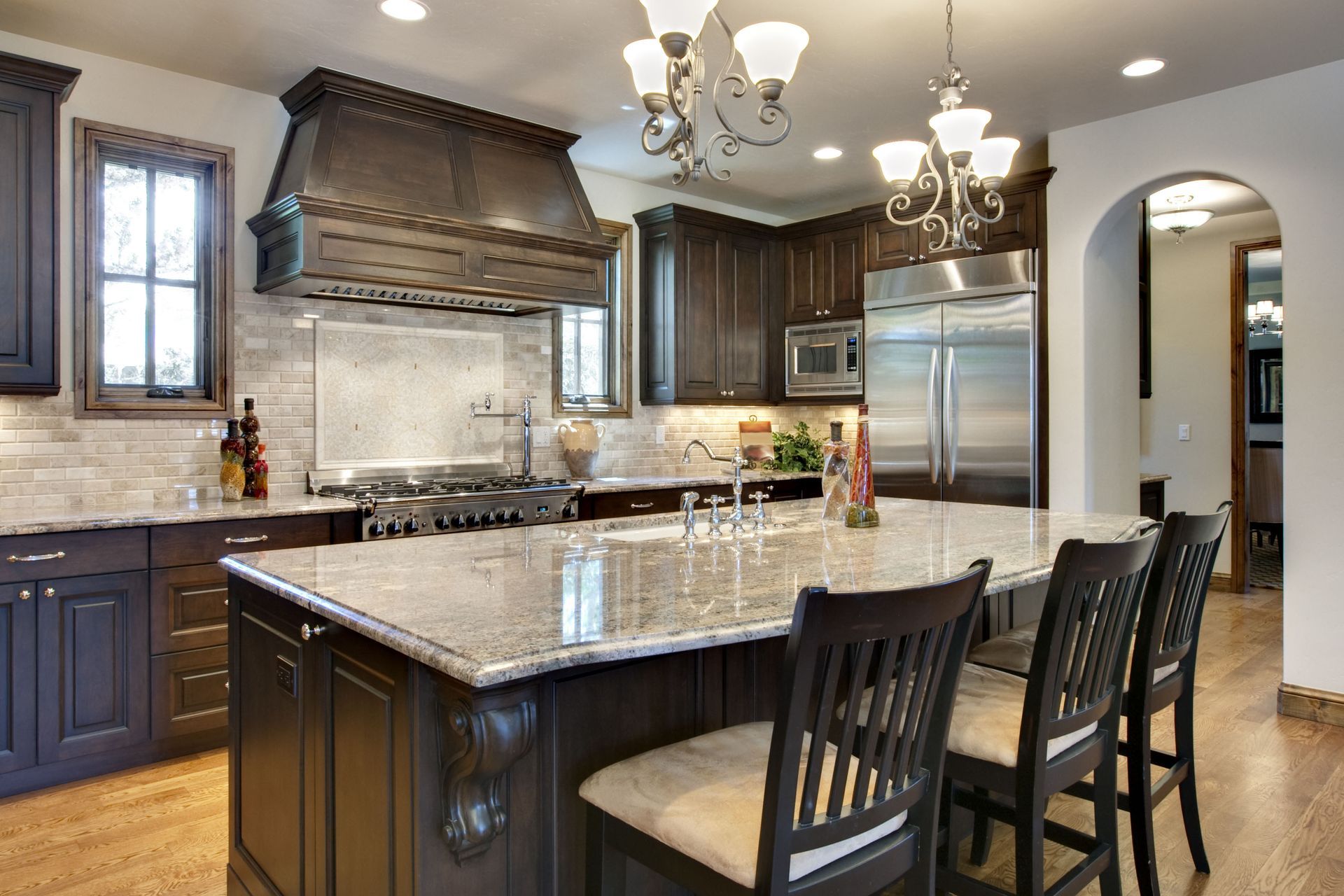
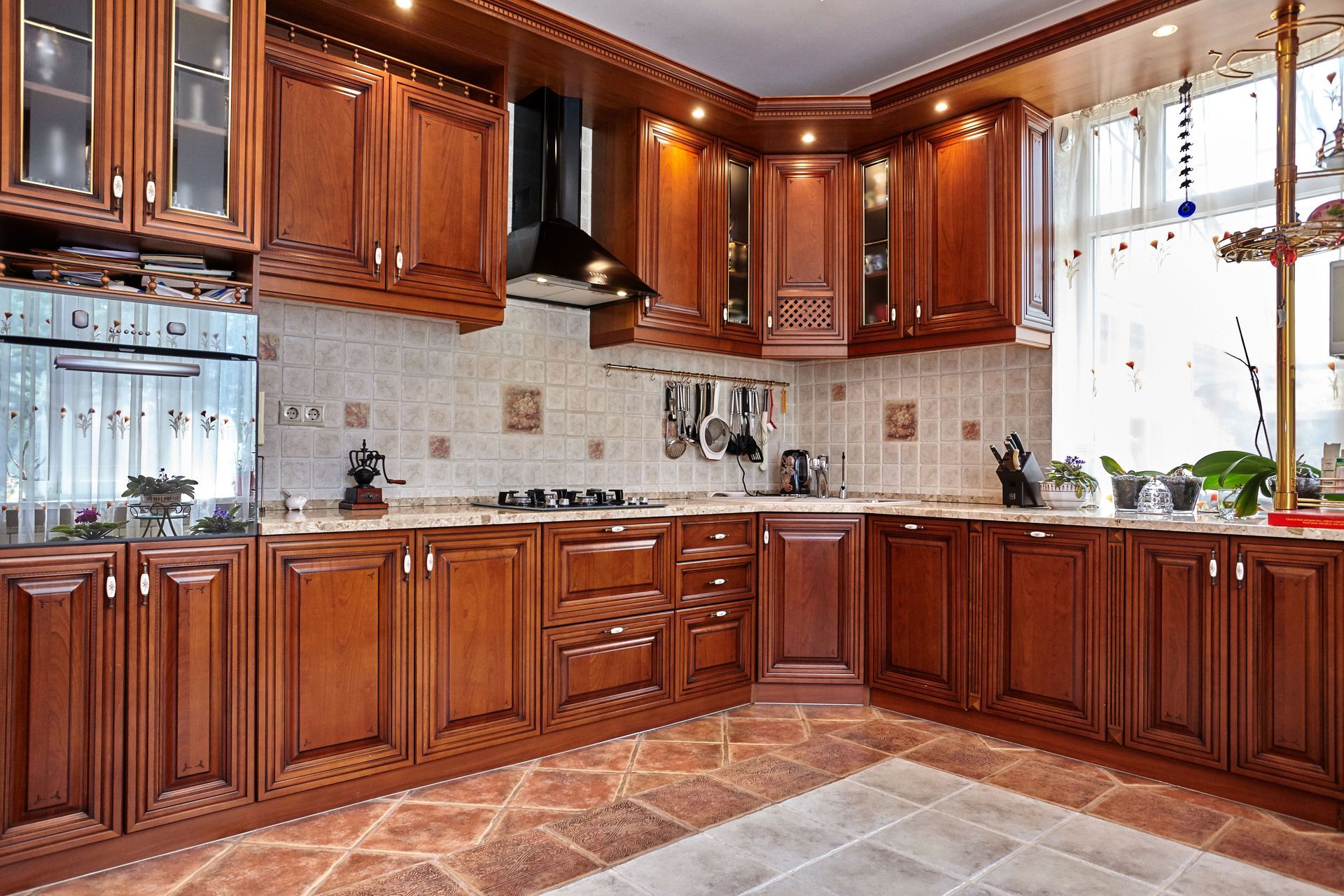
Dark cabinets can pair well with lighter countertops that brighten the overall appearance of the room. Homeowners can also consider coordinating undertones, such as pairing warm wood cabinetry with beige or cream surfaces instead of selecting a countertop with noticeably cool undertones.
Before making a final decision, compare countertop samples with your existing cabinets. Looking at the materials together can help you determine whether their colors and finishes complement one another.
Explore Different Countertop Materials
Countertop materials offer different appearances, textures, and maintenance considerations. Understanding these differences can help homeowners narrow down their options and select a surface that supports their design preferences.
A granite countertop is an option for homeowners who appreciate natural stone and distinctive patterns. Since granite features natural variations, each surface can contribute a unique appearance to the kitchen or bathroom.
Quartz is another material worth considering, particularly for homeowners who prefer a more consistent appearance. It is available in different colors and patterns, making it easier to coordinate with a variety of cabinetry and interior design styles.
Other countertop materials may appeal to homeowners looking for particular colors, textures, or finishes. Comparing samples and discussing available options with a countertop professional can help you determine which material best matches your expectations.
Match Patterns With Existing Features
Patterns can influence the overall appearance of a countertop and the way it interacts with surrounding design elements. Some homeowners prefer understated surfaces, while others want their countertops to become a noticeable feature within the room.
If your kitchen already includes patterned flooring, decorative backsplashes, or detailed cabinetry, a simpler countertop may create a more balanced appearance. Choosing a surface with minimal visual variation can prevent the different design elements from competing for attention.
On the other hand, homeowners with neutral cabinets and simple flooring may appreciate a more noticeable countertop pattern. A granite countertop can introduce natural movement and visual interest without requiring significant changes to the surrounding decor.
When comparing patterns, consider how much attention you want the countertop to receive. Selecting a design that complements rather than overwhelms nearby features can help maintain a cohesive appearance.
Think About Your Household's Daily Needs
Appearance is important, but countertops should also accommodate the way your household uses the space. Consider your everyday activities, how frequently you prepare meals, and whether the surface will experience regular use.
Homeowners who spend considerable time cooking may prioritize materials that align with their expectations for cleaning and maintenance. Those who use their kitchens less frequently may place greater emphasis on appearance, color, and overall design.
A granite countertop may appeal to homeowners who enjoy the distinctive look of natural stone and want to incorporate it into their kitchen design. However, it's important to discuss the care requirements of each material before making a selection.
Think about who regularly uses the space as well. If several household members share the kitchen, choosing a countertop that accommodates everyone's preferences and everyday routines can make the finished room more functional.
Compare Finishes and Surface Textures
Countertop finishes can change the way a material looks and feels, making them another important consideration during the selection process. Even when two countertops have similar colors, their finishes can create noticeably different visual effects.
Polished finishes offer a smooth appearance that can contribute to a refined kitchen or bathroom design. Homeowners who prefer a more understated aesthetic may want to explore other available finishes that create a softer or less reflective appearance.
Texture is another detail worth considering when comparing countertop samples. A granite countertop can feature different visual characteristics depending on its natural pattern and selected finish, allowing homeowners to explore options that complement their interiors.
Rather than choosing a finish based solely on its appearance in a showroom, consider how it will coordinate with the rest of the room. Comparing samples alongside cabinetry, flooring, and other materials can make the decision easier.
Coordinate Countertops With Flooring
Flooring is another major design feature that can influence which countertop materials and colors work best in a room. Since both surfaces contribute to the overall color palette, choosing complementary options can help create a more unified appearance.
If your flooring features prominent patterns or noticeable color variations, consider a countertop with a simpler design. This approach can help prevent the room from feeling visually crowded while allowing the flooring and countertops to complement one another.
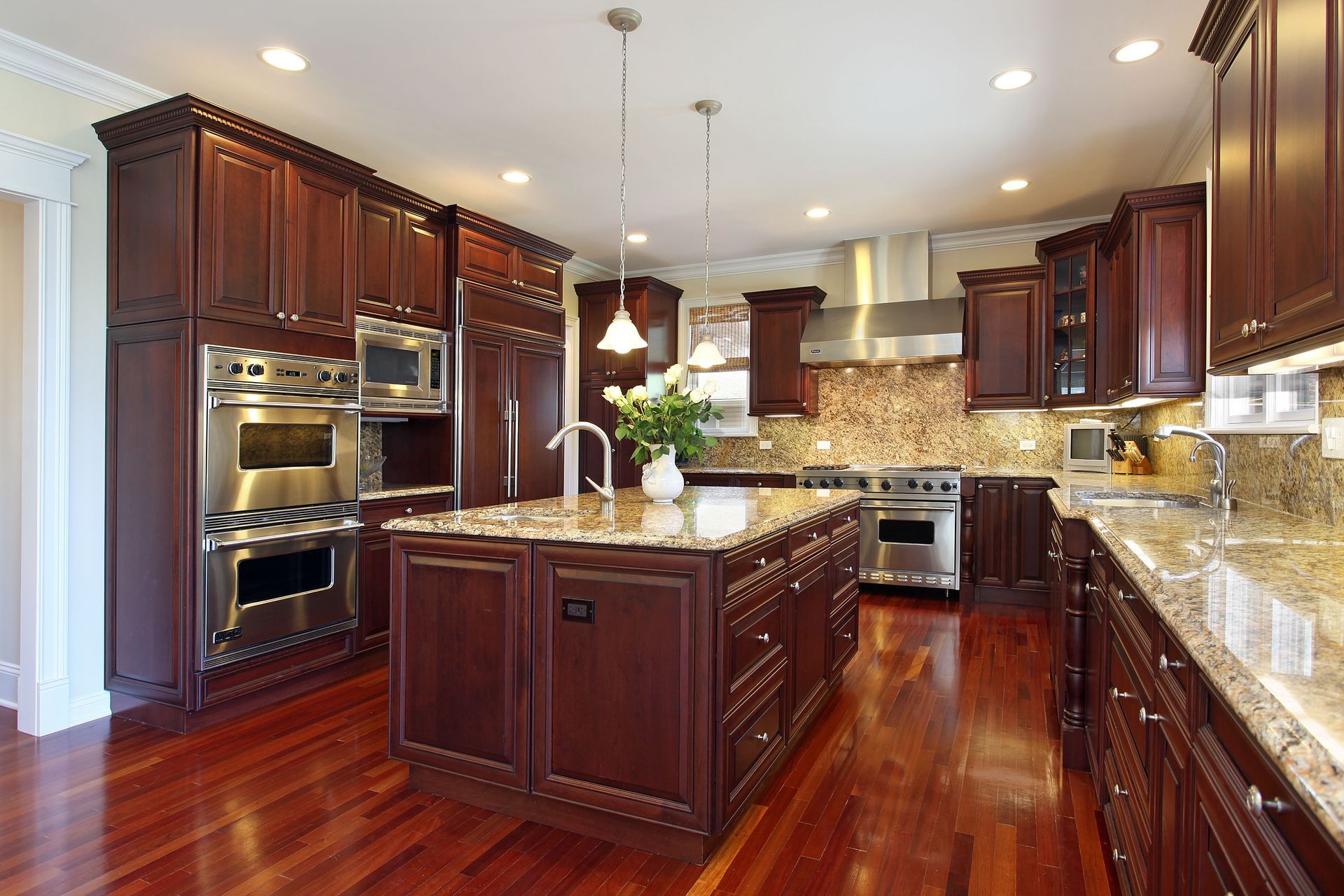
For homeowners with neutral flooring, a countertop with more noticeable colors or patterns may provide an opportunity to introduce additional character. A granite countertop can work as a visual feature when its natural pattern complements the surrounding materials.
It's also important to consider the undertones of both surfaces. Even when two materials appear similar at first, differences in their warmer or cooler tones can affect how well they coordinate.
Choosing countertops that match your home involves balancing appearance, material preferences, maintenance expectations, and budget. From selecting complementary colors and patterns to comparing finishes and coordinating surfaces with existing cabinetry, each decision contributes to the overall appearance of your kitchen or bathroom.
A granite countertop may be an appealing choice for homeowners who appreciate natural patterns, while other materials may better accommodate different design preferences and household needs. Taking time to compare available options and consult with a professional can help you find a countertop that complements your home and supports your expectations for the space.
Ready to update your kitchen or bathroom with countertops that complement your home's style? Contact TC Countertops LLC today to explore available materials, discuss your design goals, and find the right option for your next home improvement project.